Working in the subsea environment​

With years of experience working in the subsea controls sector, we understand customer drivers and priorities. Our specialist team focus on delivering competitive and timely engineering solutions.

Delivering competitive, timely -engineered solutions​

The culture at J+S Subsea is based on collaboration and communication with clients and it is essential for delivering competitive, timely-engineered solutions. J+S Subsea is leading the way in the Oil & Gas industry through our Legacy Locker service to optimise the value of existing, unwanted capital equipment and utilising a circular economy approach to business.

Marine Renewables

J+S Subsea is committed to adjusting economic, social and environmental behaviours to build a resourceful and sustainable future. By applying our knowledge and experience in power and signal cable applications, we can work towards this along side our clients. We have also developed a business in Marine Renewables.

We are delighted to have had an article published in the May edition of the Subsea UK magazine. We talk about how as a company we are working towards Net Zero and our latest Legacy Locker win. This work earned us a spot as finalists in the Excellence in Collaboration awards at Decom Week 21

News & Events

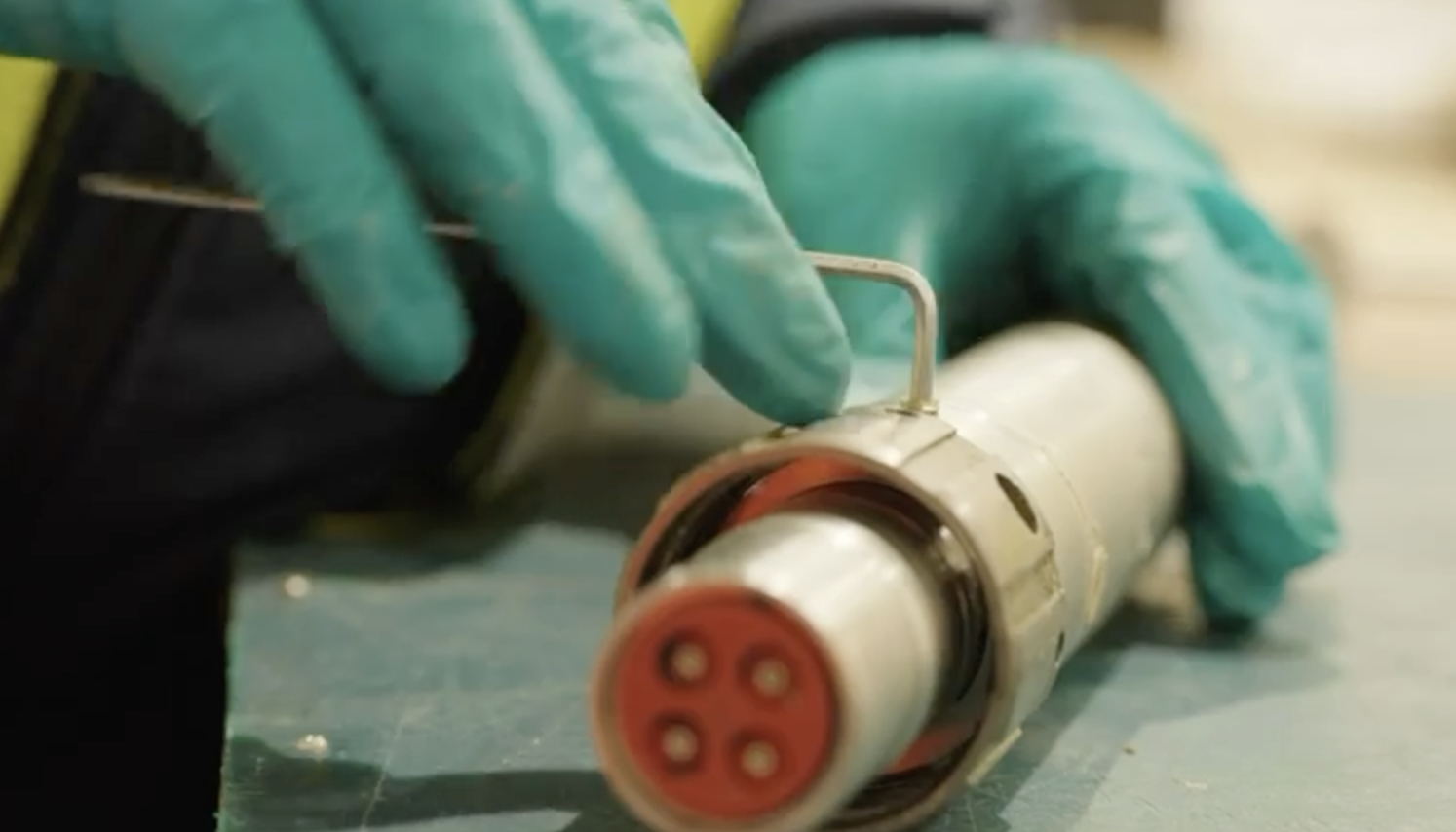
Close-up of subsea connector used for power and signal transmission in subsea control systems

Engineering Reliability in Subsea Control Systems Across Mature Offshore Fields 

Close-up of subsea connector used for power and signal transmission in subsea control systems

Subsea production control systems, often referred to as subsea control systems, are critical to reliable offshore operations, particularly across mature basins such as the North Sea. As assets age, operators face increasing challenges around system reliability, maintenance and lifecycle performance. 

Rather than focusing solely on new installations, many operators are now prioritising how to sustain, optimise and extend the performance of existing subsea infrastructure. 

The Changing Priorities of Mature Offshore Assets 

In early-life offshore developments, subsea control systems are designed and deployed within a defined project lifecycle. However, as assets mature, operational priorities shift. 

Operators increasingly face: 

  • Ageing control hardware and electronics 
  • Environmental exposure affecting subsea connectors, cables and hydraulic systems 
  • Compatibility challenges between legacy and newer technologies 
  • Supply chain pressures impacting component availability 
  • Increased focus on uptime, safety and cost efficiency 

In mature fields, downtime is not simply inconvenient, it directly impacts production, operating costs and long-term asset viability. 

Subsea control systems therefore become central to maintaining asset integrity and extending operational life. 
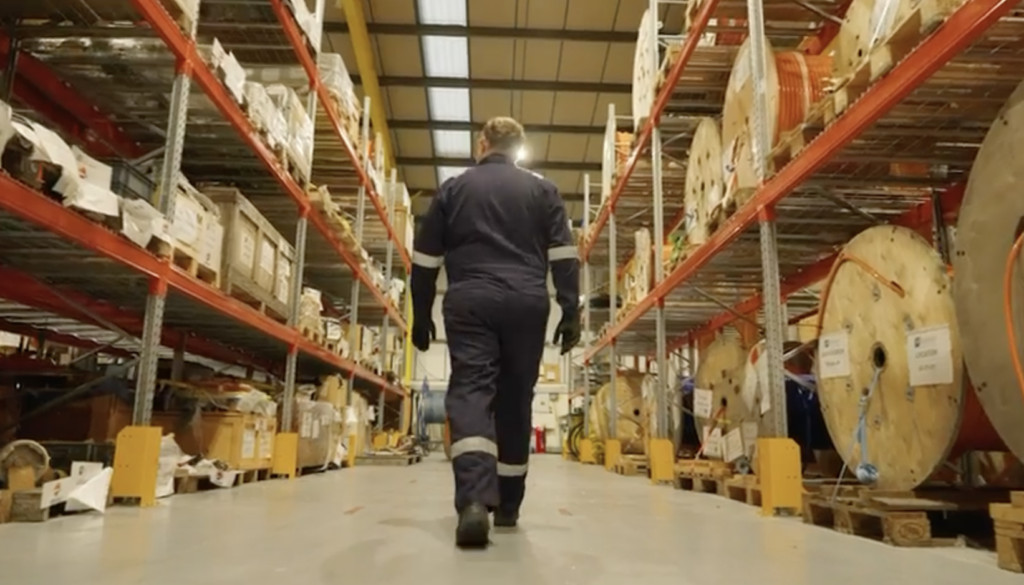
Subsea equipment storage and asset management supporting offshore control system lifecycle operations

Why Subsea Control Systems and Connectors Are Critical to Offshore Asset Integrity 

Subsea control systems form an integrated architecture linking topside control facilities with subsea trees, manifolds and distribution systems. They enable communication, power distribution and hydraulic control across the field. 

At the core of this architecture are subsea connectors, cables and distribution interfaces, which ensure reliable transmission of power, signals and data between system components. 

These systems manage: 

  • Electrical and hydraulic actuation 
  • Signal transmission and communication 
  • Power distribution across subsea networks 
  • Monitoring and diagnostics 

Degradation in subsea connectors or control interfaces can compromise performance across the wider subsea system. 

Maintaining reliability in mature assets therefore requires a structured engineering approach that considers both individual components and overall system integration. 

Engineering Strategies for Subsea Control System Lifecycle Performance 

Managing subsea control systems in later-life assets requires more than reactive maintenance. It demands forward planning, technical expertise and a system-level understanding of connectivity, integration and performance. 

Key strategies include: 

System Assessment and Testing 
Regular inspection and validation of electrical, hydraulic and fibre optic interfaces, including subsea connectors, to ensure performance remains within specification. 
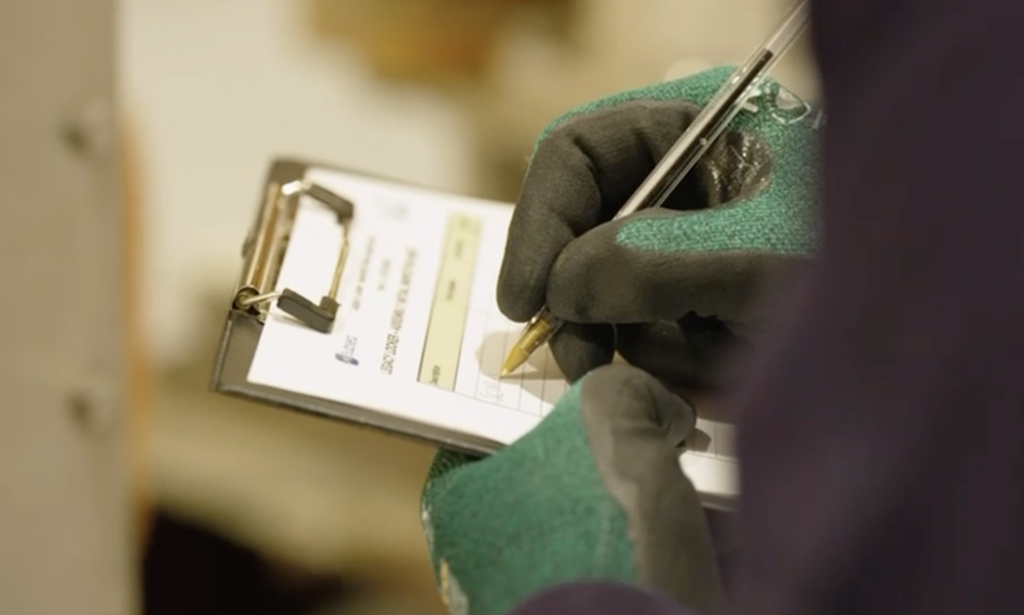
Inspection and testing of subsea control system components to support reliability and lifecycle performance

Targeted Modifications and Upgrades 
Engineering solutions that integrate newer technologies with existing control systems, avoiding unnecessary full system replacement. 

Brownfield Integration Expertise 
Designing modifications that work within live offshore environments and established system architecture. 

Compatibility and Interface Management 
Ensuring subsea connectors, distribution units, transformers and control modules operate cohesively across generations of equipment. 

This structured approach reduces operational risk while supporting cost-effective lifecycle extension. Explore our subsea connectivity systems and subsea connectors capability. 
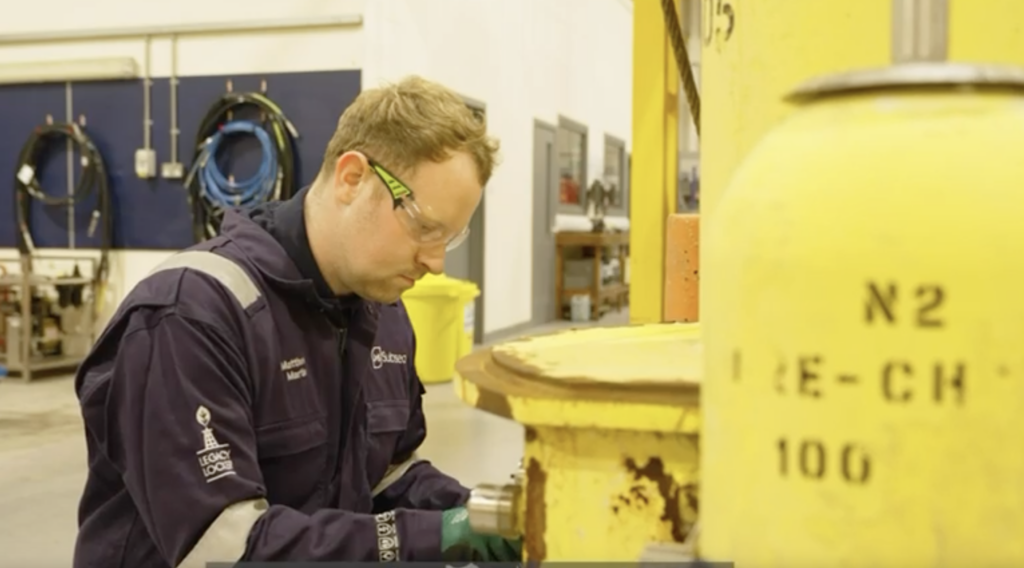
Engineer working on subsea control system equipment during maintenance and refurbishment

Applying North Sea Experience to Emerging Mature Basins 

The North Sea is one of the world’s most mature offshore basins. Decades of production have driven the development of practical engineering approaches focused on subsea control system reliability, asset integrity and lifecycle optimisation. 

Many offshore regions globally are now entering similar phases of maturity. Across Asia-Pacific and other established producing areas, operators are increasingly facing challenges long familiar in the North Sea: 

  • Ageing subsea control systems 
  • Degradation of subsea connectors and interfaces 
  • Increasing pressure on uptime and cost efficiency 
  • The need for structured asset management strategies 

Experience gained in one of the world’s most technically demanding offshore environments translates directly to these evolving markets. 

Engineering Reliability in Subsea Control Systems  

Subsea control systems are not static installations. They evolve alongside the assets they support, and maintaining performance requires technical depth, practical offshore experience and a clear focus on system-wide integrity. 

Reliable subsea control systems depend on robust connectivity, including high-integrity subsea connectors and interfaces designed to perform in harsh offshore environments. 

Based in Aberdeen, J+S Subsea supports operators across the North Sea and global offshore markets with subsea control systems engineering, subsea connectors, system integration and lifecycle optimisation. 

As offshore assets mature and operational pressures increase, engineered reliability becomes a key differentiator. 

Supporting Long-Term Subsea Performance 

If you are reviewing the performance or lifecycle strategy of your subsea control systems, J+S Subsea brings extensive experience in engineering-led optimisation, subsea connectors, system integration and long-term asset support. 

Explore our subsea connectivity systems capability or contact our team to discuss your requirements. 

LinkedIn
Facebook

Get in touch

Accreditations & Affiliations

Contact Us

Enquiry Form
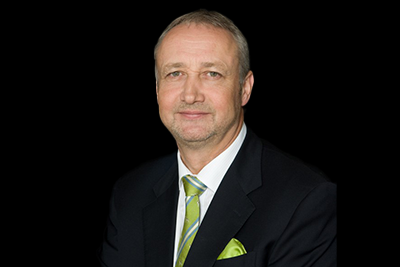
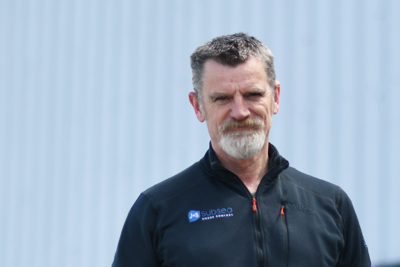
Mark Patterson Non-Executive Chair

Mark Patterson

Non-Executive Chair

Mark’s career spans five decades, marked by entrepreneurial success and visionary leadership across various sectors, including offshore marine technology, subsea oil and gas, green energy storage, and more.

With a track record of leading businesses through start-up, growth, acquisitions, and transformations, Mark’s expertise lies in strategic decision-making, mentoring, and brand management.

He has overseen multimillion-pound projects, pioneered new technologies, and guided companies to international recognition, such as the underwater GPS NASNet®.

His leadership style is direct, inclusive, and based on trust, empowering teams to excel.

Mark’s achievements include managing high-profile global companies, such as Balmoral group, Nautronix and Well-Safe Solutions, where he played key roles in groundbreaking projects. Global explanation and high growth.

Outside of business, Mark is deeply committed to family and charity work, with a passion for shooting, boating, and car collecting. As an experienced executive, he remains dedicated to fostering success by identifying future opportunities and mentoring the next generation of leaders.

Mark Patterson Non-Executive Chair

Mark Patterson

Non-Executive Chair

Mark’s career spans five decades, marked by entrepreneurial success and visionary leadership across various sectors, including offshore marine technology, subsea oil and gas, green energy storage, and more.

With a track record of leading businesses through start-up, growth, acquisitions, and transformations, Mark’s expertise lies in strategic decision-making, mentoring, and brand management.

He has overseen multimillion-pound projects, pioneered new technologies, and guided companies to international recognition, such as the underwater GPS NASNet®.

His leadership style is direct, inclusive, and based on trust, empowering teams to excel.

Mark’s achievements include managing high-profile global companies, such as Balmoral group, Nautronix and Well-Safe Solutions, where he played key roles in groundbreaking projects. Global explanation and high growth.

Outside of business, Mark is deeply committed to family and charity work, with a passion for shooting, boating, and car collecting. As an experienced executive, he remains dedicated to fostering success by identifying future opportunities and mentoring the next generation of leaders.

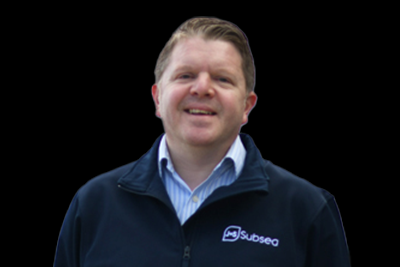
Phil Reid Managing Director J+S-Subsea

Phil Reid

Managing Director

Phil has worked in the energy industry for over 25 years. He started his career with Kvaerner FSSL progressing through a variety of roles in subsea engineering, from manufacturing to leading some of their most complex projects all over the world. He worked with the original J+S for a period before moving on to Genesis Oil and Gas as a Subsea Controls Engineering consultant; during that period, he was seconded to Centrica Energy (now Spirit Energy) which led to a permanent role as Lead Subsea Controls & Umbilical Engineer for Developments, Capital Projects and Operated Assets. For almost a decade Phil successfully delivered Capital Projects from concept right through to project close out whilst also looking after the running of their subsea assets.

As part of J&S Subsea limited, Phil oversees the day-to-day operations and will grow the business both in the UK and globally. 

James Morris

Engineering Director

James’s career started when he joined the Royal Navy from school as an Artificer Apprentice. After a 5-year Marine Engineering Apprenticeship he served in surface ships HMS Glamorgan, HMS Edinburgh, and HMS Glasgow and at Rosyth as part of an engineering support team. 

Moving into the Energy Industry in 1992, over the next 26 years he gained a wealth of experience within large and small companies on operation, design and project management of subsea control systems and equipment. This period started with several years as a Project Engineer for a family run hydraulic services company Grampian Hydraulics followed by 5 years as a Support Engineer at Kvaerner Oilfield Products.  James joined RRC Controls Services ltd in 2001 before finally moving to J+S Ltd in 2010. At J+S his dedication and technical capabilities were rewarded with several promotions until becoming a member of the management buyout team. 

He has designed an extensive array of subsea equipment from basic cable penetrators to complete subsea control modules. 

James thrives on providing solutions for client’s problems. 

As Engineering Director, James will ensure that the company provides clients with timely, cost effective and technically sound solutions and services. 

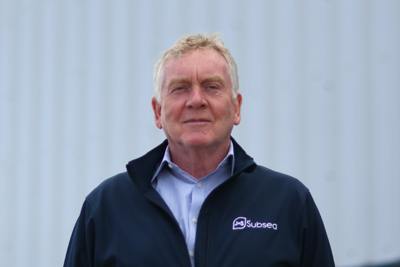
Matthew Blair

Executive Chairman

Matt Blair is Executive Chairman of J+S Subsea which was formed in October 2020 through a management buyout of the Subsea Engineering Division of Systems Engineering and Assessment Ltd.

With J+S Subsea and SEA for over 14 years, Matt has a wealth of industry knowledge and expertise.

Previously an Electronics Engineer with Ferranti Computer Systems Ltd specializing in sonar and submarine command systems, Matt moved into hydrographic survey working with Subsea7, Tritech, and CDL before joining J+S Subsea.

He was Vice Chair of the Decom Leadership Group of Decommission and in that role, he facilitated industry and academic studies on potential for reuse and repurposing of decommissioned equipment. He is still actively involved with the reuse agenda through Decommission and OEUK.

Although not part of day-to-day operations, Matt stays close to company strategic matters and is seeking further opportunities to update and transfer Energy technologies and products into the Marine Renewables markets and help to develop the broader circular economy.