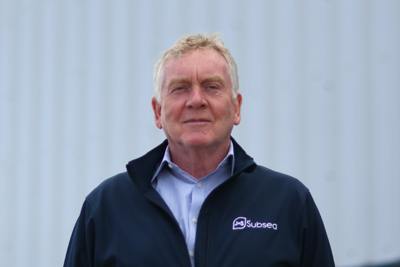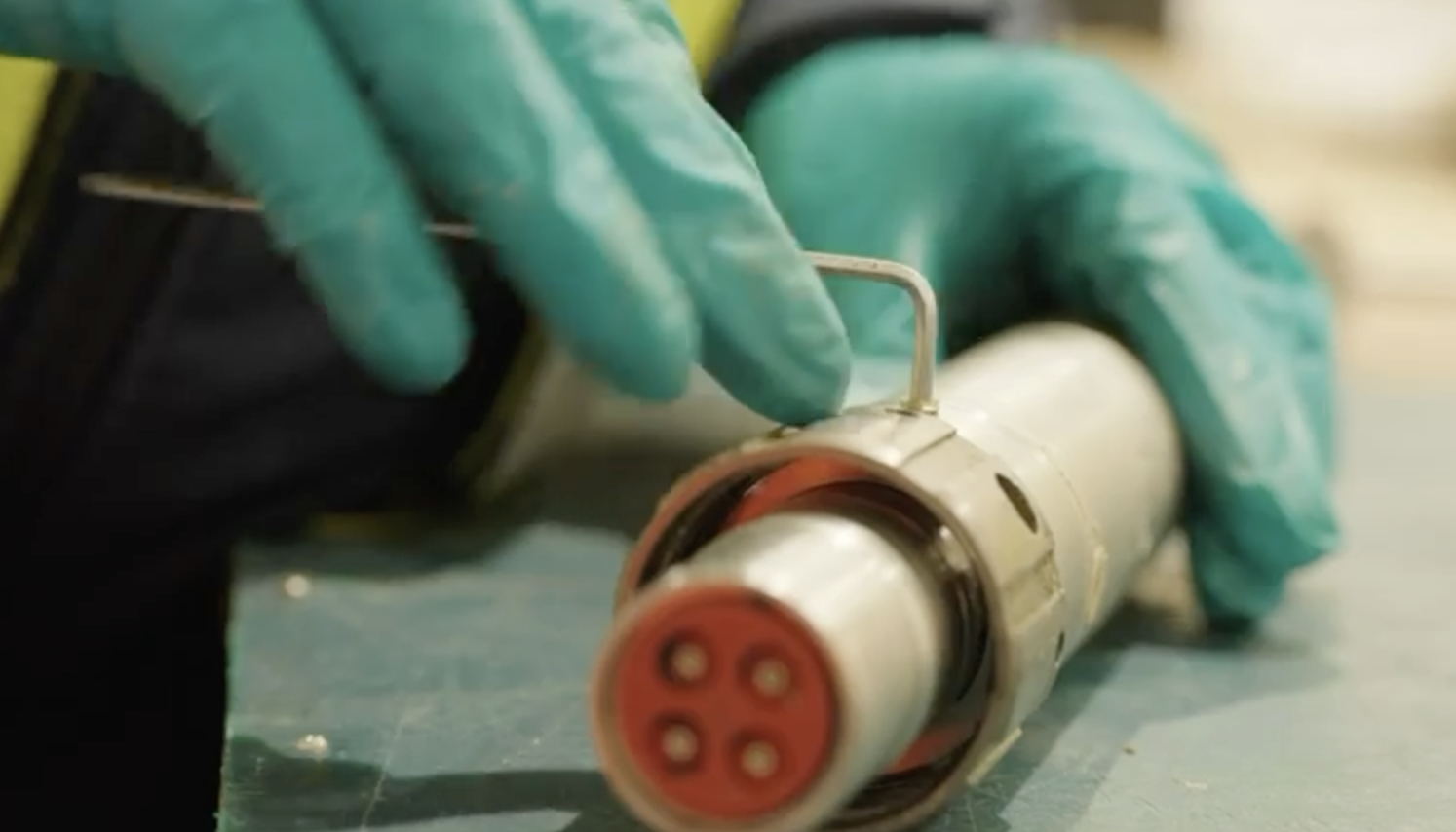
Subsea production control systems, often referred to as subsea control systems, are critical to reliable offshore operations, particularly across mature basins such as the North Sea. As assets age, operators face increasing challenges around system reliability, maintenance and lifecycle performance.
Rather than focusing solely on new installations, many operators are now prioritising how to sustain, optimise and extend the performance of existing subsea infrastructure.
The Changing Priorities of Mature Offshore Assets
In early-life offshore developments, subsea control systems are designed and deployed within a defined project lifecycle. However, as assets mature, operational priorities shift.
Operators increasingly face:
- Ageing control hardware and electronics
- Environmental exposure affecting subsea connectors, cables and hydraulic systems
- Compatibility challenges between legacy and newer technologies
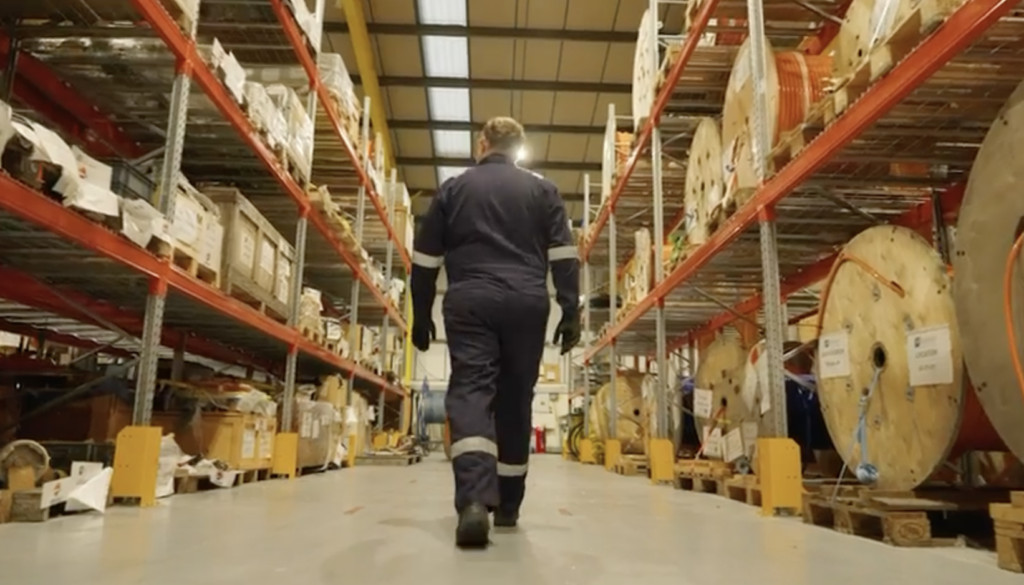
- Supply chain pressures impacting component availability
- Increased focus on uptime, safety and cost efficiency
In mature fields, downtime is not simply inconvenient, it directly impacts production, operating costs and long-term asset viability.
Subsea control systems therefore become central to maintaining asset integrity and extending operational life.
Why Subsea Control Systems and Connectors Are Critical to Offshore Asset Integrity
Subsea control systems form an integrated architecture linking topside control facilities with subsea trees, manifolds and distribution systems. They enable communication, power distribution and hydraulic control across the field.
At the core of this architecture are subsea connectors, cables and distribution interfaces, which ensure reliable transmission of power, signals and data between system components.
These systems manage:
- Electrical and hydraulic actuation
- Signal transmission and communication
- Power distribution across subsea networks
- Monitoring and diagnostics
Degradation in subsea connectors or control interfaces can compromise performance across the wider subsea system.
Maintaining reliability in mature assets therefore requires a structured engineering approach that considers both individual components and overall system integration.
Engineering Strategies for Subsea Control System Lifecycle Performance
Managing subsea control systems in later-life assets requires more than reactive maintenance. It demands forward planning, technical expertise and a system-level understanding of connectivity, integration and performance.
Key strategies include:
System Assessment and Testing
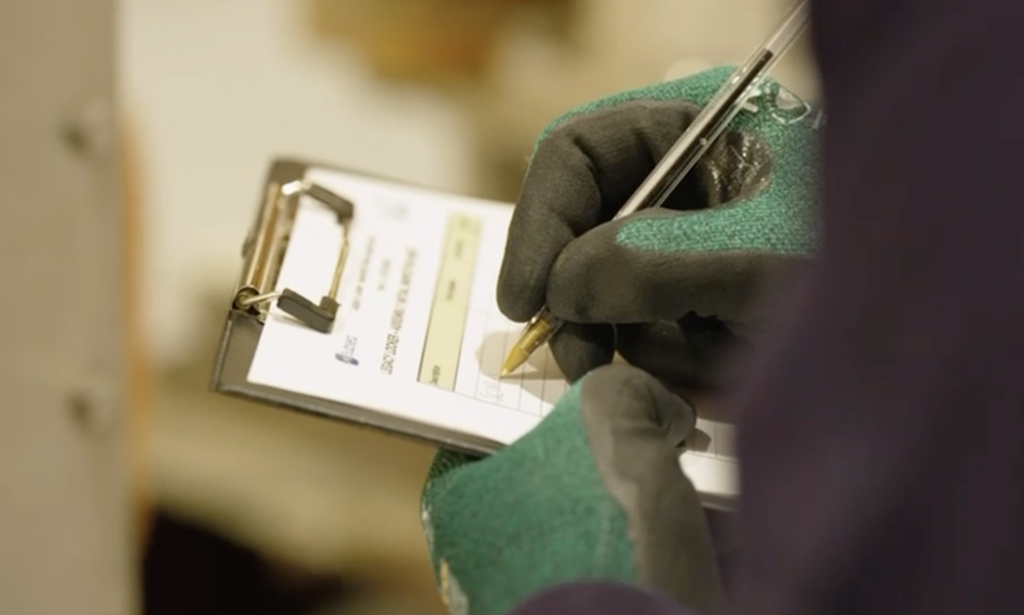
Regular inspection and validation of electrical, hydraulic and fibre optic interfaces, including subsea connectors, to ensure performance remains within specification.
Targeted Modifications and Upgrades
Engineering solutions that integrate newer technologies with existing control systems, avoiding unnecessary full system replacement.
Brownfield Integration Expertise
Designing modifications that work within live offshore environments and established system architecture.
Compatibility and Interface Management
Ensuring subsea connectors, distribution units, transformers and control modules operate cohesively across generations of equipment.
This structured approach reduces operational risk while supporting cost-effective lifecycle extension. Explore our subsea connectivity systems and subsea connectors capability.
Applying North Sea Experience to Emerging Mature Basins
The North Sea is one of the world’s most mature offshore basins. Decades of production have driven the development of practical engineering approaches focused on subsea control system reliability, asset integrity and lifecycle optimisation.
Many offshore regions globally are now entering similar phases of maturity. Across Asia-Pacific and other established producing areas, operators are increasingly facing challenges long familiar in the North Sea:
- Ageing subsea control systems
- Degradation of subsea connectors and interfaces
- Increasing pressure on uptime and cost efficiency
- The need for structured asset management strategies
Experience gained in one of the world’s most technically demanding offshore environments translates directly to these evolving markets.
Engineering Reliability in Subsea Control Systems
Subsea control systems are not static installations. They evolve alongside the assets they support, and maintaining performance requires technical depth, practical offshore experience and a clear focus on system-wide integrity.
Reliable subsea control systems depend on robust connectivity, including high-integrity subsea connectors and interfaces designed to perform in harsh offshore environments.
Based in Aberdeen, J+S Subsea supports operators across the North Sea and global offshore markets with subsea control systems engineering, subsea connectors, system integration and lifecycle optimisation.
As offshore assets mature and operational pressures increase, engineered reliability becomes a key differentiator.
Supporting Long-Term Subsea Performance
If you are reviewing the performance or lifecycle strategy of your subsea control systems, J+S Subsea brings extensive experience in engineering-led optimisation, subsea connectors, system integration and long-term asset support.
Explore our subsea connectivity systems capability or contact our team to discuss your requirements.